Precision Machining & Pantograph
Control in Dimensional Accuracy and Surface Quality
What Is Precision Machining?
Precision machining refers to the processing of metal or engineering materials to micron-level tolerances.
This process enables the production of mold components, core parts, mold plates and special mechanical elements with dimensional accuracy.
Pantograph operations are used especially for detailed contour, text, logo and precision surface form work.
At Senkron Group Plastik, precision machining is a critical part of mold production and special part manufacturing.
Request Technical Quote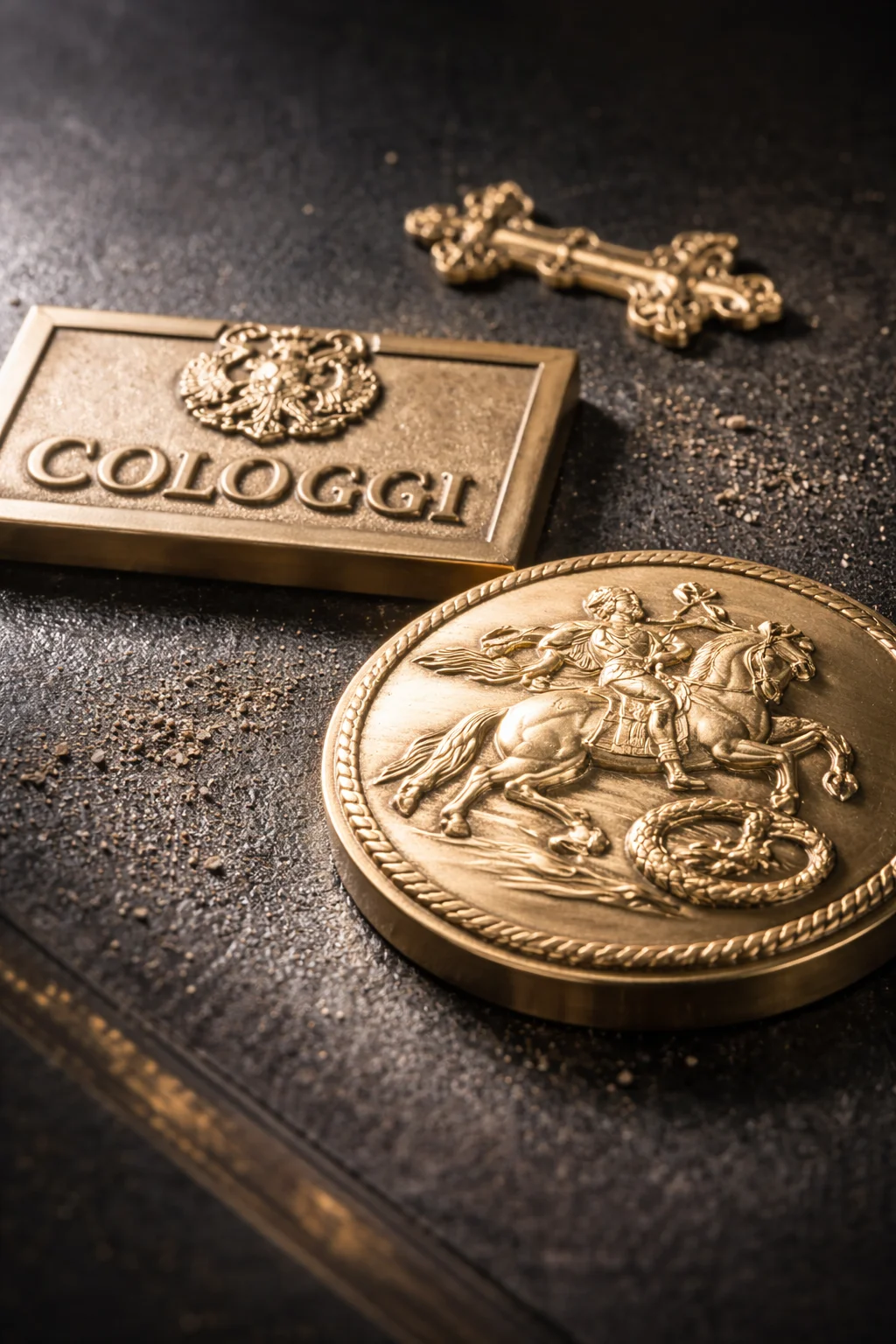
How Does the Process Work?
1Technical Data and Machining Analysis
The part to be machined is reviewed from technical drawing or 3D model.
- Tolerance values
- Surface roughness expectation
- Material type to be machined
- Heat treatment requirement
are determined. The aim is to plan the machining sequence correctly.
2CNC Precision Machining
The part is machined on CNC equipment with appropriate tool and parameter selection.
At this stage:
- Micron tolerance control
- Surface quality optimization
- Cutting parameter balance
is ensured. Especially in mold components, dimensional deviation does not exceed acceptable limits.
3Pantograph and Detail Operations
Pantograph operations are used for:
- Logo machining
- Serial number
- Text applications
- Precision contour operations
for. These operations are applied on mold surfaces or on metal parts where detailed workmanship is required.
4Measurement and Final Inspection
After machining:
- Critical dimensions are checked
- Surface quality is assessed
- Correction is made when necessary
The part is not delivered until measurement verification is complete.
Why Is Precision Machining Important?
In molds and mechanical systems, small dimensional errors can lead to:
- Assembly mismatch
- Part tolerance issues
- Increased wear
- Production instability
such outcomes. Therefore precision machining is one of the fundamental building blocks of production quality.
Advantage of the Integrated Structure
Running precision machining processes in integration with mold design and mold manufacturing:
- Reduces revision time
- Detects dimensional errors early
- Increases production stability
- Delivers dimensionally accurate results tested in production, not just in theory
Frequently Asked Questions
In what tolerance range is precision machining done?
Depending on part structure and intended use, production can be carried out to micron-level tolerances. Dimensional accuracy is a priority in critical mold components.
Where is pantograph processing used?
It is used for logo, text, serial number and detailed contour applications on metal surfaces. It is especially preferred for branding or coding on mold surfaces.
How is dimensional inspection done after machining?
Critical dimensions are checked with appropriate measuring equipment. If there are out-of-tolerance deviations, correction is applied.
Is precision maintained after heat treatment?
The machining sequence is planned taking into account the risk of deformation that may occur after heat treatment. Final finishing is applied when necessary.
Is precision machining only for mold production?
No. It can also be applied for special mechanical parts, fixture components and technical metal components.